
How Much Does It Cost to Replace a Fence?

Deciding to replace a fence encompasses not just a transformation in your property’s landscape but also a strategic investment in privacy, security, and curb appeal. The journey to a new fence is paved with various choices, each influencing the overall cost. From selecting the ideal material that suits your aesthetic and functional needs, such as the rustic charm of wood or the sleek durability of vinyl, to considering the dimensions that will best enclose your space, the path to understanding the financial implications of fence replacement is multifaceted.
This guide aims to demystify the expenses involved, offering a detailed exploration of important factors like material costs, labor fees, and the geographical nuances that affect pricing. By diving into the specifics of each cost component, from the initial removal of an old barrier to the final touches that secure your new perimeter, you’ll gain insight into how to navigate the project efficiently.
This article focuses on providing a comprehensive cost breakdown and practical tips for budget management. It serves as your roadmap to a successful fence replacement, balancing quality with cost-effectiveness to achieve the enclosure that best complements your home.
What is the average cost to replace a fence?
The average cost to replace a fence can vary significantly, generally between $1,500 to $4,000 for a standard-sized yard. Several key factors influence this broad spectrum, including the choice of materials, from economical options like chain links to more premium selections such as cedar wood fence or vinyl. The dimensions of your project, precisely the length and height of the fence, play a pivotal role in determining the final price. Labor costs also contribute to the overall expense, with rates fluctuating based on the complexity of the installation and the rates typical to your geographic location. It’s essential to consider that these estimates serve as a starting point; actual costs can diverge based on specific project requirements and local market conditions.
Factors affecting the cost of fence replacement
Several factors play a crucial role in determining the overall cost of replacing a fence, making it essential for homeowners to understand these variables to budget effectively. Material type is a significant determinant, with options ranging from affordable chain links to premium cedar and vinyl, offering different aesthetics and durability. The fence length and height are also pivotal, as larger areas require more materials and labor, directly impacting the cost. Labor costs vary widely, influenced by the project’s complexity and the prevailing wages in your geographic location. This location factor can also affect material prices and availability, adding another layer of consideration. Understanding these elements clarifies the financial investment needed for fence replacement, allowing for more informed decision-making.
Material type
The material type significantly influences the cost of replacing a fence. Choices range from wood variants like pine or cedar, celebrated for their natural aesthetics and durability, to synthetic options like vinyl and aluminum, which stand out for their low maintenance needs and longevity. The material selection impacts the visual appeal and the overall budget, with more cost-effective options like chain links providing budget-friendly solutions than more premium materials.
Fence length and height
The dimensions, specifically the fence length and height, are direct determinants of the material volume and labor required, making them crucial in cost considerations. Increasing either dimension necessitates more resources, elevating the project’s total expense. Accurate measurement and planning according to these dimensions are essential for precise budgeting.
Labor costs
Labor costs vary based on the installation complexity, whether it is a professional or DIY fence installation, and the prevailing wage rates in the contractor’s locale. Projects involving intricate designs or requiring specialized skills may increase labor hours and result in higher costs, especially if professional assistance is needed beyond initial DIY efforts. Incorporating labor expenses early in the planning phase, including those potentially saved by undertaking some work personally, is vital to mitigate the risk of unforeseen financial strains.
Geographic location
Geographic location plays a multifaceted role in affecting the fence replacement cost. Material availability, cost disparities, and local labor rates are influenced by location, alongside potential regional regulations or installation requirements that could impact the budget. Recognizing the influence of location on these aspects is key to developing a comprehensive and realistic budget plan.
Cost comparison by material
When embarking on a fence installation or replacement project, a pivotal consideration is the impact of material choice on overall cost. Wood options such as pine and cedar are beloved for their classic appearance in fence installations, yet they diverge in pricing; cedar, known for its superior durability and rot resistance, typically commands a higher price than pine. Vinyl fencing, available in variations like plain white or textured and colored, offers a higher initial investment in fence installation but is offset by its low maintenance costs over time. Aluminum fencing provides a harmonious blend of aesthetics and affordability for those considering fence installation, offering a durable yet elegant barrier solution.
On the other end of the spectrum, chain link emerges as the most economical choice for fence installation, delivering adequate security and boundary definition without the steep price tag of other materials. Each material presents a unique balance of benefits and costs, necessitating a careful evaluation of personal aesthetics, functionality needs, and long-term upkeep considerations for your fence installation project.
Wood Fences
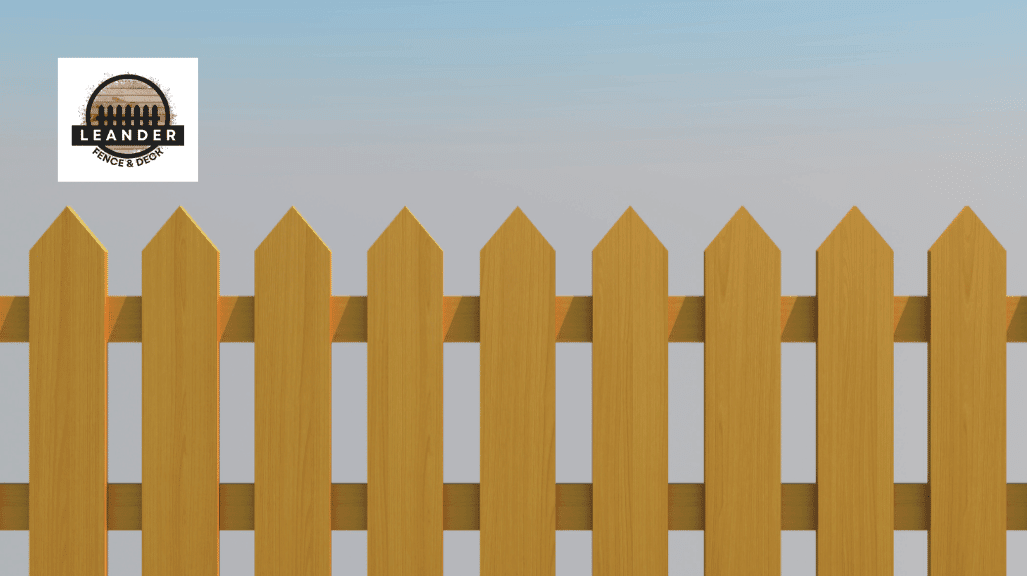
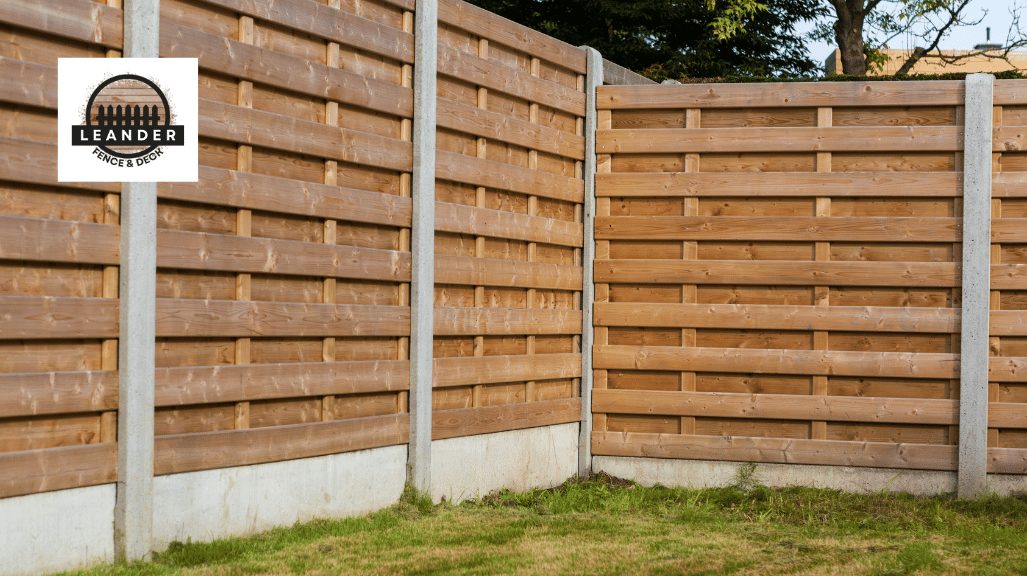
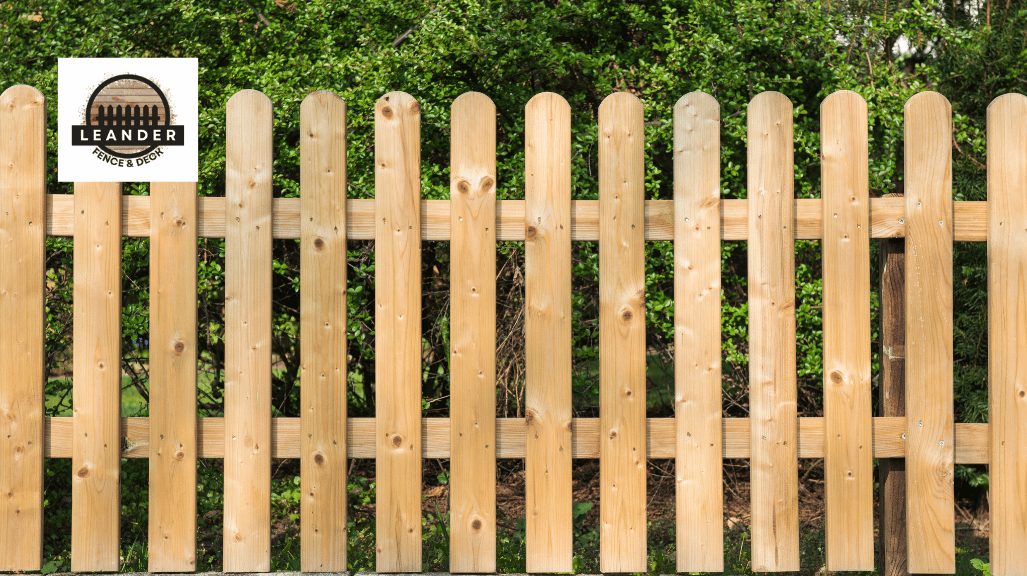
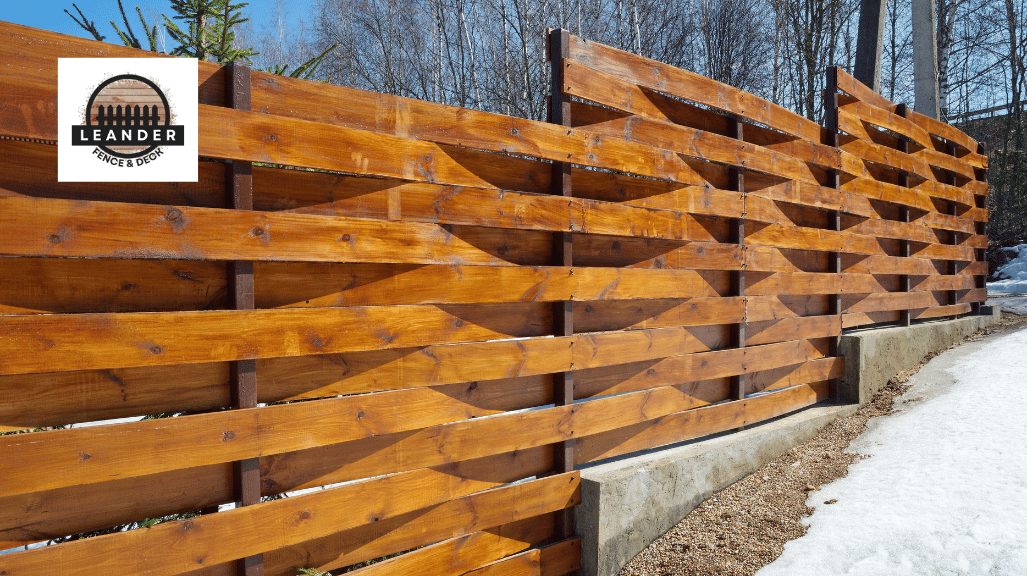
Wooden fences are celebrated for their classic appearance and natural charm, fitting seamlessly into various landscape designs. They necessitate consistent upkeep, including staining or sealing, to fend off weathering and decay.
Pine
Pine represents an economical wood choice, favored for its cost-effectiveness. It is more prone to wear because it’s softer than other woods but benefits from treatments to extend its lifespan.
Cedar
Cedar is prized for its natural beauty and robustness, boasting inherent resistance to rot and pests. That makes it a premium wood option, with its longevity and low maintenance needs offsetting the higher investment.
Vinyl
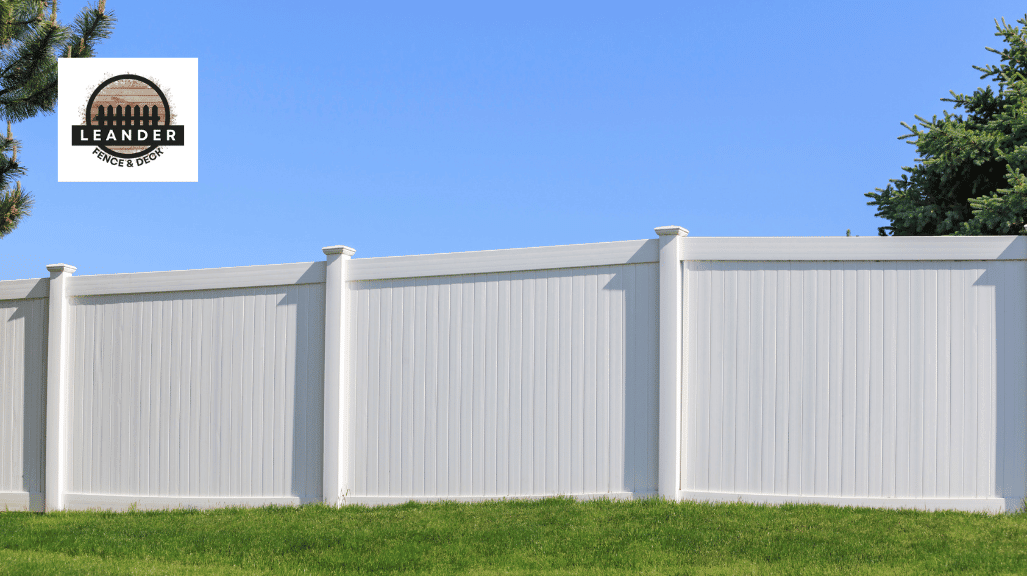
Vinyl fencing is lauded for its enduring nature and minimal upkeep. It offers a lasting solution despite a higher upfront cost. It is accessible, so there is no need for painting or staining, and it is resistant to weathering.
Plain white
Plain white vinyl fencing provides a pristine, timeless aesthetic suitable for various property styles. Its resistance to discoloration and easy cleaning with just soap and water ensures its enduring appeal.
Textured or colored
Vinyl fencing also comes in textured or colored variations, offering enhanced customization to complement or elevate property aesthetics. While slightly pricier, these choices maintain vinyl’s hallmark durability and low maintenance.
Aluminum
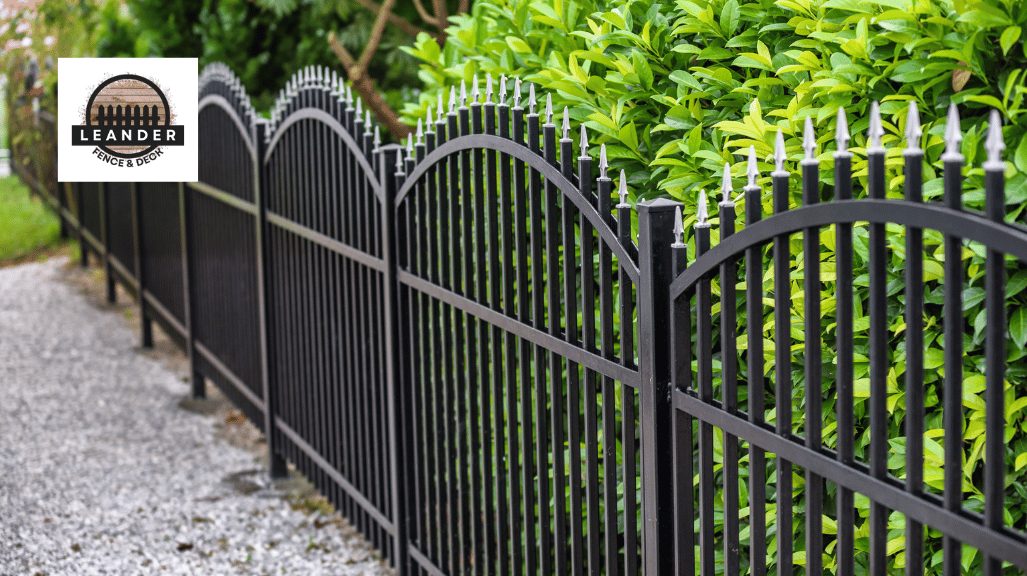
Aluminum fencing offers the elegance of wrought iron without the high cost or maintenance. Lightweight, corrosion-resistant, and straightforward installation is a favored choice for residential and commercial settings.
Chain link
Chain link fence is the most economical, providing adequate boundary delineation and security. Although not as visually appealing as other materials, they are highly durable, low-maintenance, and can be aesthetically enhanced with privacy slats or a vinyl coating.
Additional Fence Installation Costs to Consider
When embarking on a fence replacement project, it is essential to look beyond the straightforward costs of materials and labor, as additional expenses can significantly affect the overall budget. The removal and disposal of the old fence stand out as a potential cost driver, particularly for large or complex structures requiring specialized disposal methods. Decisions around gates, specifically between single vs. double gates, also play a crucial role, impacting materials and labor.
Local regulations may necessitate permitting fees, introducing another financial consideration. Furthermore, land preparation tasks such as leveling the terrain or clearing obstacles like rocks or tree roots demand additional labor and resources. Incorporating these additional costs into your budget from the outset is vital for a comprehensive financial plan, helping to avoid unexpected expenses and ensuring a smooth progression of your fence replacement project.
Removal and disposal of the old fence
Removing and disposing of the old fence is a critical first step that can add unexpected costs, especially if the materials are bulky or require specialized disposal procedures. This phase is essential for clearing the space, adhering to local disposal regulations, and setting the stage for the new installation.
Gates and hardware
Selecting appropriate gates and hardware is critical to your fence’s functionality and aesthetic appeal. The cost can vary significantly based on material choice and design complexity. High-quality hardware ensures durability and ease of operation, which may increase the initial investment but contribute to long-term satisfaction and reduced maintenance.
Single vs. double gates
The choice between single vs. double gates influences both cost and utility. Double gates offer broader access, accommodating vehicles or large equipment, but necessitate more materials and labor, thus elevating the cost.
Permitting fees
Permitting fees are often an overlooked component of fencing projects. Many municipalities require permits for new constructions or substantial modifications, including fence installations. These fees differ by area and are essential to the overall budget.
Land preparation
Land preparation is a crucial step that may entail additional expenses. Proper preparation ensures the site is ready for the new fence, providing a stable foundation and meeting design requirements.
Leveling
Leveling the terrain is a vital aspect of land preparation for a stable and visually pleasing fence. Addressing uneven ground may require considerable effort to level, directly impacting the project’s financial scope.
Clearing obstacles
Clearing obstacles like rocks, tree roots, or old structures is another critical task in land preparation that can influence the budget. This clearance facilitates a seamless installation process but might necessitate extra labor and machinery.

Ways to save on fence replacement
Fence replacement represents a considerable financial undertaking, yet there are effective strategies to minimize costs while maintaining quality. Opting for cost-effective materials, such as chain link or pine, can lead to significant savings without sacrificing the fundamental purpose of the fence. Homeowners can also undertake some tasks, like removing the existing fence or digging post holes, to cut down on labor expenses. Searching for quotes from several contractors allows comparing prices and opening opportunities for better deals or negotiation.
Additionally, planning the project during the off-peak season might lower costs as companies seek to fill their schedules during slower periods. By employing these methods, it’s possible to balance affordability and the fulfillment of fencing objectives.
Choosing cost-effective materials
Selecting cost-effective materials is a crucial strategy for managing the budget of a fence installation or replacement project. Affordable options like chain link or pine meet the essential criteria for strength and security and offer significant savings in the context of fence installation. By thoughtfully balancing price and durability, one can achieve considerable financial efficiency in their fence installation project. This approach ensures that the selected materials provide the necessary security and aesthetic appeal while also being mindful of the project’s overall costs.
Doing some work yourself
Engaging in DIY tasks related to your fence replacement can dramatically reduce labor costs. Activities such as dismantling the old fence, clearing the site, or digging post holes are achievable for those willing to invest time and effort. This hands-on approach necessitates a realistic evaluation of one’s capabilities and safety measures. Still, it can significantly contribute to the project’s cost-effectiveness.
Shopping around for quotes
Comparing quotes from various contractors is crucial for securing a favorable deal. This process uncovers the most competitive rates and clarifies the range of services provided, ensuring you receive optimal value for your expenditure. It’s a practical step towards achieving quality and affordability in your fence replacement project.
Timing of the project
Adjusting the timing of your project can have a notable impact on costs. Initiating the replacement during the off-peak seasons, such as late fall or early winter, can lead to potential savings. During these periods, contractors offer discounts or better terms to fill their schedules, presenting an opportunity for cost-effective project execution.

When to replace vs. repair a fence
Determining whether to replace or repair a fence depends on assessing the extent of damage and weighing the long-term costs and benefits. Signs of irreparable damage, such as widespread rot, severe structural issues, or extensive termite infestation in wood fences, typically indicate the need for a total replacement. Conversely, minor problems like isolated wear areas, small holes, or loose panels can often be effectively remedied through repairs. Conducting a cost-benefit analysis is essential; if the expense of repairs approaches or surpasses the cost of a new fence, opting for replacement becomes more economically sound.
This analysis should consider immediate costs and the benefits of increased durability and lower maintenance needs with a new installation. Making an informed choice between repairing and replacing can safeguard your property’s safety and aesthetic integrity, ensuring optimal use of your financial resources.
Signs of irreparable damage
Identifying signs of irreparable damage is critical in determining the need for a fence replacement. Key indicators include widespread rot, severe structural instability, and extensive termite infestation, especially in wood fences. These conditions often render repairs ineffective, pointing towards the necessity for a complete replacement to maintain the fence’s safety and functionality. Early recognition of these signs can avert further damage to your property and ensure the well-being of its occupants.
Fence Installation Cost-benefit analysis
Performing a cost-benefit analysis is essential in deciding between repairing and replacing a fence. This analysis evaluates repairs’ immediate and future financial implications compared to a new installation. When the expenses associated with repairs approach or exceed the investment required for a new fence, opting for replacement might present a more economically sound choice. This analysis should consider not just the cost but also the added advantages of a new fence, such as improved property aesthetics, increased value, and lower maintenance requirements, ensuring a decision maximizing functionality and financial efficiency.

Finding a reputable contractor
Identifying a reputable contractor is crucial for completing your fence replacement project. Start by checking licenses and insurance to confirm that the contractor adheres to all legal and professional guidelines. Reading reviews and asking for references can shed light on the contractor’s reliability and the quality of work they deliver.
Additionally, comparing quotes and timelines from multiple providers is essential for securing a competitive price and assessing their ability to meet your project’s specific deadlines. This thorough vetting process aids in choosing a contractor who not only offers a fair price but also upholds a high standard of quality and dependability, ensuring a smooth and satisfactory outcome for your fence replacement endeavor.
Checking licenses and insurance
A crucial initial step is checking licenses and insurance to ensure your contractor complies with local regulations and possesses adequate coverage. This due diligence confirms their legitimacy and safeguards you against potential liabilities, laying a solid foundation of trust and professionalism for your project.
Reading reviews and asking for references
Diligently reading reviews and asking for references provides a deeper understanding of a contractor’s reliability and the caliber of their work. Online reviews can reveal a contractor’s consistent performance and customer satisfaction levels. At the same time, personal references offer direct insights into their work ethic and project execution. This step is indispensable for assessing whether a contractor meets your project’s requirements.
Comparing quotes and timelines
Comparing quotes and timelines from various contractors is essential for securing the best value. This comparison is not merely about finding the lowest price but also evaluating how each contractor plans to manage the project timeline. Analyzing these aspects enables you to choose a fence contractor who fits your budget and commits to completing your project within a desirable timeframe, ensuring a balance between cost efficiency and timely delivery.
Frequently Asked Questions
The cost for 200 ft of fencing varies by material: wood ($1,400-$6,000), vinyl ($2,000-$5,000), aluminum or steel ($2,400-$3,200), and chain-link ($1,200-$3,000). Prices can change based on location and installation complexity.
The cheapest to install fences is usually a chain-link fence, offering cost-effectiveness but less privacy and aesthetic appeal.
Budget $10 to $60 per linear foot for a new fence, depending on the material. Include an extra 10-20% for unexpected costs.
In Austin, Texas, fence costs vary: wood ($15-$30/ft), vinyl ($20-$35/ft), aluminum or steel ($20-$45/ft), and chain-link ($10-$20/ft). Prices depend on specifics; consult local contractors for accurate quotes.
Yes, it can significantly save on labor costs, but it requires a time investment and potential additional costs if corrections are needed. It is best to hire a professional fence installer.